
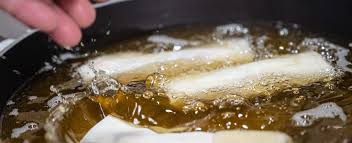
In the culinary world, maintaining the quality of frying oil is paramount for ensuring that dishes are not only delicious but also safe to consume. Chefs, who are at the forefront of food preparation, have developed keen senses and techniques to monitor frying oil’s condition. By recognizing key warning signs, they can maintain optimal quality and extend the life of their frying oil.
One primary indicator chefs look for is the color change in the oil. Fresh frying oil typically has a light golden hue. As it degrades through repeated use, it darkens due to food particles and carbon buildup. A significant color shift often signals that it’s time to filter or replace the oil. Additionally, excessive foaming during cooking is another red flag; it suggests contamination or an accumulation of impurities such as water or leftover batter.
Odor also plays a crucial role in assessing frying oil warning signs quality. High-quality oil should have a neutral smell; however, when it begins to emit off-putting odors akin to burnt or rancid smells, this indicates oxidation or spoilage. Such changes not only affect flavor profiles but can also pose health risks if consumed over extended periods.
Chefs employ various methods beyond sensory evaluation to maintain their oils’ integrity. Regular filtering is vital—it removes debris and slows down degradation processes by minimizing exposure to contaminants that accelerate spoilage rates. Furthermore, many professional kitchens utilize test kits designed specifically for measuring free fatty acid levels within oils—a scientific approach providing precise data on when replacements are necessary.
Temperature control remains critical throughout this process since overheating accelerates breakdowns leading towards compromised flavors alongside potential safety hazards like smoking points being exceeded prematurely causing fires within kitchen environments themselves! Maintaining consistent temperatures ensures longevity while preserving taste profiles desired across diverse cuisines alike without sacrificing nutritional value either!
Moreover adopting best practices extends further than just monitoring alone: proper storage conditions matter too! Keeping unused reserves away from direct sunlight minimizes oxidative damage whereas tightly sealed containers prevent moisture infiltration which otherwise leads towards microbial growth contaminating contents altogether!